Why a Solo SaaS Moat Becomes Distribution and Trust (Not Features)
A practical guide for solo SaaS founders on building a durable moat through distribution and trust—why features are easy to copy, and how to create compounding growth with audience, proof, and consistent execution.
For a solo SaaS founder, the traditional idea of a “moat” (patents, massive engineering teams, proprietary data at scale) usually isn’t realistic. Even if you build an excellent product, competitors can copy features, undercut pricing, and ship fast. The durable advantage for a solo operator typically shifts to two things that are harder to replicate: distribution (your ability to consistently reach the right buyers) and trust (your credibility that the product will work, be supported, and stay reliable). This article breaks down why that’s true—and how to build both, step by step.
What “Moat” Really Means for Solo SaaS
A moat is anything that makes it meaningfully harder for someone else to take your customers. In solo SaaS, moats tend to be: - Practical rather than theoretical: you can execute them with limited time and budget. - Compounding: each week of effort makes the next week easier. - Attached to you: your reputation, audience, and customer relationships become part of the product.
Why Features Stop Being a Moat
Features are important—but they rarely stay unique. - Product parity happens quickly in most software categories. - Many SaaS products are built on shared primitives (common frameworks, APIs, and UI patterns), which compresses differentiation. - Customers usually don’t buy “novelty”; they buy outcomes with low risk. This doesn’t mean you shouldn’t build great features. It means features are often the entry ticket, not the long-term defense.
Distribution: The Solo Founder’s Compounding Advantage
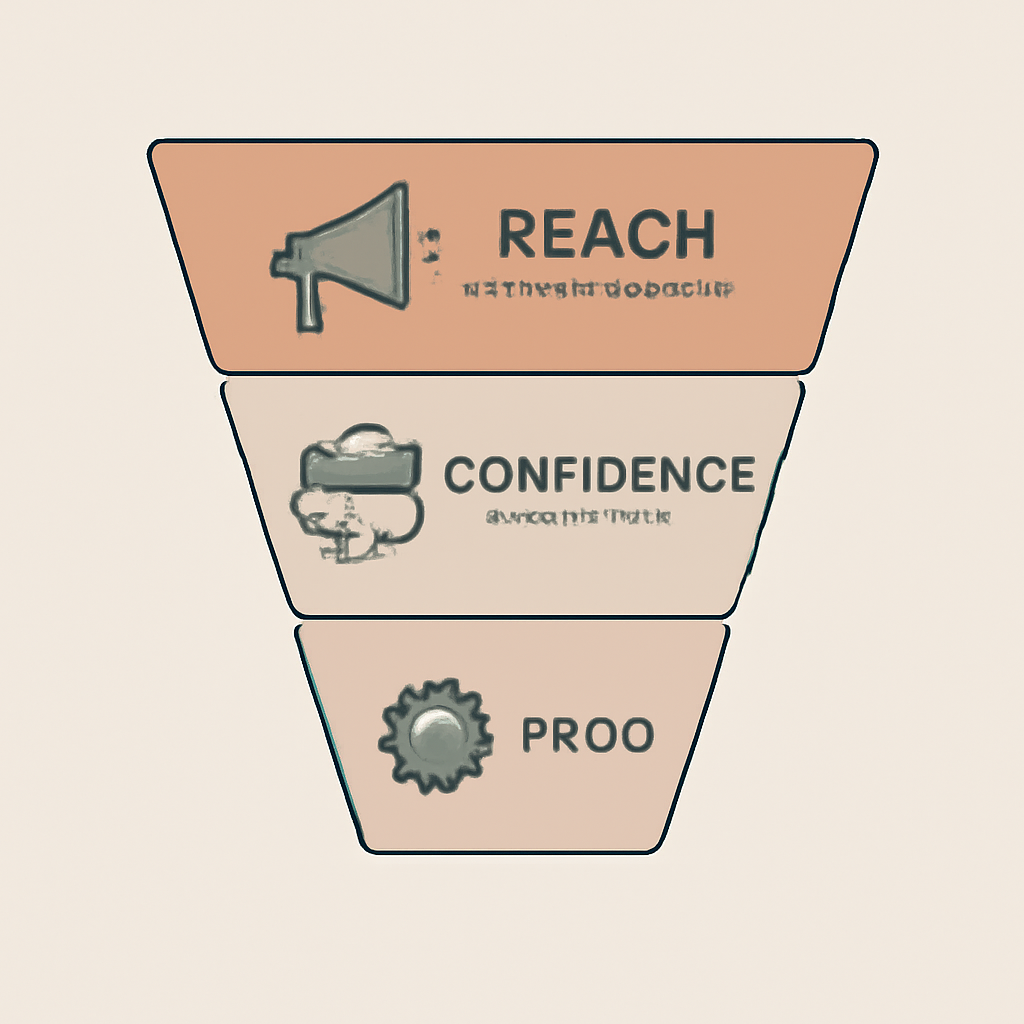
Distribution is your repeatable ability to put the product in front of qualified people who have the problem and the budget. For solo founders, distribution becomes a moat because: - It compounds: content and relationships keep working after you publish or connect. - It’s contextual: you learn which messages convert, which segments churn, and which use cases stick. - It’s hard to copy: a competitor can copy your UI, but they can’t instantly copy years of audience trust or channel fit.
The 4 Most Realistic Distribution Plays for Solo SaaS
- SEO around painful, specific jobs-to-be-done: Create pages that match intent (e.g., “how to reconcile Stripe payouts in X” vs. “best finance tool”). Write for decision-makers and practitioners, not algorithms.
- A focused content engine (one platform, one persona): Pick a lane (e.g., LinkedIn for B2B operators, YouTube for technical workflows, a niche newsletter for a regulated vertical) and publish consistently.
- Partnerships and integrations: Build where users already live (marketplaces, CRMs, accounting tools, ticketing systems). A small integration can outperform a large ad budget if it’s in the right workflow.
- Sales-as-support: In early stages, your support inbox is a distribution channel. Every solved problem creates retention, referrals, testimonials, and better onboarding copy.
Trust: The Moat That Actually Closes Deals
Trust is the customer’s belief that: - The product will do what it claims. - Their data and operations are safe. - You will respond when something breaks. - The business will exist long enough to be worth integrating. For solo SaaS, trust frequently matters more than an extra feature because buyers perceive founder-led tools as higher risk unless proven otherwise.
What Trust Looks Like in Practice (Not Vibes)
- Proof: clear testimonials, case studies, and specific outcomes (avoid exaggerated claims).
- Reliability signals: status page, transparent changelog, uptime/incident communication when needed.
- Security basics: clear data handling explanation, least-privilege access, sensible permissions, and straightforward privacy policy language. (Only claim compliance certifications if you actually have them.)
- Support clarity: response-time expectations, real contact options, and human tone.
- Pricing honesty: no bait-and-switch, no hidden limits, and an easy path to evaluate before committing.
The Trust Flywheel: How Solo SaaS Wins Against Bigger Teams
Large companies can outbuild you. They can outspend you. But they often struggle to out-care you. A solo founder can turn speed and closeness to customers into a flywheel: 1) Talk to users weekly → 2) Ship meaningful improvements → 3) Document results publicly → 4) Earn referrals and reviews → 5) Attract more qualified users. That loop is a moat because it creates credibility and product-market fit simultaneously.
How to Build Distribution and Trust in 30–60 Minutes a Day
Solo founders don’t need a massive plan; they need consistent, high-leverage routines. Here’s a sustainable approach:
- 15 minutes: Customer touchpoint. Reply to support, ask one user a question, or review session recordings for friction.
- 15 minutes: Distribution asset. Publish one small piece: a short post, a demo clip, an integration note, or a use-case landing page iteration.
- 15 minutes: Trust improvement. Tighten onboarding, add a FAQ that answers objections, improve error messages, or clarify data handling.
- 15 minutes: Proof capture. Request a testimonial, write a mini case study, or share a before/after workflow example (with permission).
Common Solo SaaS Mistakes That Weaken the Moat
- Chasing too many channels: being “kind of present everywhere” usually loses to one strong channel done consistently.
- Overbuilding before learning: features without distribution and proof often become unused complexity.
- Generic positioning: if your homepage could describe five competitors, trust and conversion drop.
- Hiding behind polish: a beautiful site can’t replace clear outcomes, credible proof, and responsive support.
- Making compliance claims you can’t verify: it damages trust fast. Say what you do have, explain what you do, and be transparent.
A Simple Framework: Moat = (Audience + Proof) × Time
If you want a compact model for solo SaaS, it’s this: - Audience (distribution) gets you repeated attention from the right people. - Proof (trust) turns attention into trials, customers, and referrals. - Time is the multiplier—because both audience and proof compound. Competitors can copy features. They can’t copy your compounding relationships and reputation overnight.
Conclusion: Build the Business Only You Can Run
A solo SaaS moat isn’t built by hiding secrets in the codebase. It’s built by earning attention and keeping promises. Prioritize: - Distribution that you can repeat weekly. - Trust signals that reduce buyer risk. - A feedback loop that turns customers into proof. Do that long enough, and your “moat” becomes something far stronger than a feature: a market that knows you, believes you, and comes back.